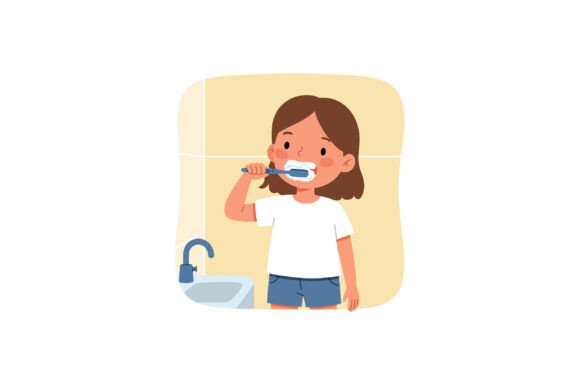
The Joy of Morning Routines: A Young Girl Brushing Her Teeth in a Minim
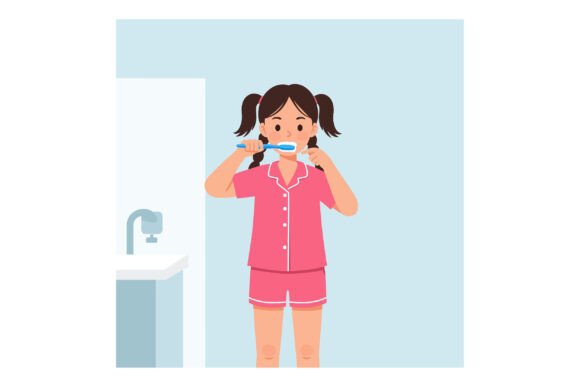
In today's fast-paced world, the importance of simple, consistent routines cannot be overstated. One such routine, often overlooked, is the act of brushing teeth in the morning. Captured beautifully in the image of a young girl brushing her teeth in a minim, this everyday ritual symbolizes more than just oral hygiene—it reflects a moment of joy, self-care, and personal growth.
What Does the Image Represent?
The image of a young girl with brown hair brushing her teeth at a sink offers a glimpse into the early development of personal habits. Displaying a joyful expression, the girl is not just going through the motions—she is actively engaging in her morning routine with enthusiasm. This image, available in multiple formats including SVG, EPS, JPG, and PNG, serves as a visual reminder of the positive associations we can build around daily tasks.
The Importance of Oral Hygiene for Children
Brushing teeth may seem like a basic activity, but it plays a crucial role in maintaining overall health, especially for children. Establishing good oral hygiene habits early in life can prevent a host of dental issues, including cavities, gum disease, and bad breath. Moreover, it instills a sense of responsibility and independence in young individuals.
- Prevents tooth decay: Regular brushing removes plaque and food particles that can lead to cavities.
- Builds routine discipline: Morning brushing helps children understand the value of consistency and self-care.
- Encourages confidence: A clean, healthy smile can boost a child’s self-esteem and social interactions.
How to Make Brushing Fun for Kids
Many parents struggle to get their children excited about brushing their teeth. However, with the right approach, this routine can become a cherished part of the day. The image of a joyful young girl brushing her teeth illustrates how fun and engaging this task can be when approached with creativity.
- Use colorful, themed toothbrushes: Let kids choose brushes with their favorite characters or colors.
- Play music or a brushing timer: Turning brushing into a mini dance party or challenge can make it more enjoyable.
- Lead by example: Children often mimic adults, so brushing together can reinforce the habit.
- Offer praise and encouragement: Positive reinforcement helps kids associate brushing with success and happiness.
The Role of Visual Content in Education and Awareness
Visual representations like the young girl brushing her teeth in a minim image are powerful tools for education. They help convey messages in a way that words alone cannot. Whether used in schools, dental offices, or parenting blogs, such images can be instrumental in teaching children and caregivers about the importance of hygiene.
With downloadable formats like SVG, EPS, JPG, and PNG, this image is versatile for various platforms, including:
- Educational materials: Posters, worksheets, and presentations aimed at teaching children about personal care.
- Health campaigns: Promoting oral hygiene in public health initiatives.
- Website content: Enhancing blog posts, landing pages, and social media with engaging visuals.
Why Visual Learning Works
Visual learning taps into the brain’s natural ability to process images faster than text. When a child sees a picture of someone their age brushing their teeth with a smile, it creates a relatable and memorable experience. This kind of representation helps normalize good habits and makes them more appealing.
For educators and content creators, incorporating high-quality visuals like the young girl with brown hair brushing her teeth at a sink can significantly enhance engagement and comprehension, especially among younger audiences.
Integrating Hygiene into Daily Life
Personal hygiene is not just about looking good—it’s about feeling good and staying healthy. In the broader context of daily life, brushing teeth is one of many small but significant actions that contribute to overall well-being. Teaching children to value these routines sets the foundation for lifelong habits.
From a developmental perspective, morning routines like brushing teeth help children:
- Transition from sleep to activity: Structured routines help the brain wake up and prepare for the day.
- Develop motor skills: Brushing requires coordination and fine motor control.
- Understand personal responsibility: Completing tasks independently fosters confidence and maturity.
Common Misconceptions About Children’s Oral Care
Despite widespread awareness, several misconceptions still surround children's dental hygiene. Addressing these can help parents and caregivers make more informed decisions:
- Misconception: Baby teeth don’t need to be brushed because they’ll fall out anyway.
Reality: Healthy baby teeth are essential for proper speech development, chewing, and guiding permanent teeth into place. - Misconception: Only sugary foods cause cavities.
Reality: Starchy foods and frequent snacking can also contribute to tooth decay. - Misconception: Brushing harder cleans better.
Reality: Aggressive brushing can damage enamel and gums; gentle, circular motions are more effective.
Conclusion: Celebrating the Simple Joys of Routine
The image of a young girl brushing her teeth in a minim captures more than just a moment—it represents the beauty of small, meaningful routines. In a world where distractions are constant, grounding children in positive habits like oral hygiene helps them thrive emotionally, physically, and socially.
Whether you're a parent, educator, or content creator, using visuals like this can make a powerful difference. The downloadable ZIP file containing SVG, EPS, JPG, and PNG formats ensures that this image can be easily integrated into educational materials, websites, and promotional campaigns. It’s a versatile and impactful way to reinforce the importance of daily hygiene in a fun and engaging way.
By appreciating and encouraging these simple moments of joy and learning, we help shape healthier, happier generations—one smile at a time.