Flower Vector Illustration 46: A Modern Blend of Minimalism and Organic Detail
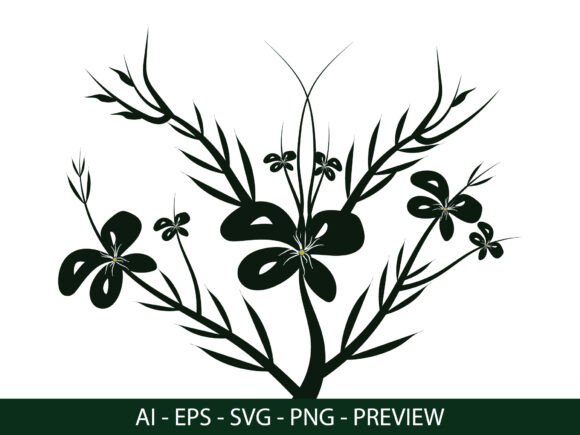
Flower Vector Illustration 46 captures the essence of contemporary design by fusing clean, minimalist aesthetics with the intricate beauty of natural floral forms. This digital artwork stands out for its simplified yet expressive portrayal of a flower’s anatomy—showcasing petals, stamens, and pistils with elegant precision. Unlike traditional floral illustrations that emphasize realism, this vector piece opts for a more stylized approach, making it versatile for a wide range of creative applications.
Why Flower Vector Illustration 46 Resonates with Today’s Designers
In an era where visual content is more important than ever, the demand for adaptable and scalable graphics has surged. Flower Vector Illustration 46 meets this need by offering a design that is both flexible and visually engaging. Its vector format ensures that it can be resized without loss of quality, making it ideal for everything from web graphics to large-format prints. Designers appreciate how its clean lines and structured composition allow it to fit seamlessly into modern layouts without overwhelming the overall design.
The Rise of Minimalist Aesthetics in Visual Communication
Over the past few years, minimalist design has become a dominant trend across digital and print media. This shift reflects a broader cultural movement toward clarity, intentionality, and visual efficiency. Flower Vector Illustration 46 embodies this trend by reducing complex organic forms into their most essential visual elements. The result is a design that feels modern, sophisticated, and easy to integrate into various creative projects.
How This Illustration Reflects Changing Creative Workflows
Modern design workflows increasingly rely on assets that are both high-quality and easy to manipulate. Flower Vector Illustration 46 supports this by offering compatibility with industry-standard design software through AI, EPS, SVG, and PNG formats. These file types allow for seamless editing, whether a designer is working in Adobe Illustrator, Inkscape, or any other vector-based platform. Additionally, the illustration’s modular structure makes it easy to adapt for different color schemes, textures, and layout contexts.
Enhancing Graphics with Built-in Design Techniques
One of the standout features of this illustration is the inclusion of advanced design tools and effects. The Pixelate Color Halftone function allows for dynamic texture application, giving the illustration a printed or retro aesthetic with adjustable dot size and angle. Designers can also take advantage of Pattern Swatches to create custom halftone backgrounds or repeating motifs. For more organic effects, Scatter Brushes provide a natural, hand-drawn texture that enhances the illustration’s tactile appeal without sacrificing scalability.
Practical Uses for Flower Vector Illustration 46
This illustration is not just visually appealing—it’s also highly functional. Here are a few real-world applications where Flower Vector Illustration 46 can make a difference:
- Brand Identity: Use the illustration as part of a logo or pattern system for lifestyle, wellness, or botanical-themed brands.
- Editorial Design: Incorporate it into magazine layouts, book covers, or editorial illustrations for a clean yet expressive visual tone.
- Web and UI Design: The illustration’s scalable nature makes it ideal for backgrounds, icons, or decorative elements on websites and apps.
- Print and Packaging: Whether for product packaging, greeting cards, or stationery, this illustration brings a refined, artistic touch to physical media.
Designing for Scalability and Accessibility
As digital platforms evolve, so do user expectations for high-quality, responsive visuals. Vector illustrations like Flower Vector Illustration 46 are inherently more adaptable than raster images, ensuring crisp visuals across devices and resolutions. This is especially important in today’s multi-platform world, where a single design may appear on everything from mobile screens to large-format posters. The ability to maintain clarity and detail at any size makes this illustration a valuable asset for any designer or business.
Customization and Integration Tips
Designers looking to get the most out of Flower Vector Illustration 46 can explore its full potential by leveraging its editable layers and built-in effects. Here are a few practical tips:
- Adjust Halftone Settings: Experiment with different dot sizes and angles to create depth or simulate print textures.
- Recolor for Brand Consistency: Use color swatches to align the illustration with brand palettes without compromising detail.
- Layer with Other Graphics: Combine the illustration with typography, abstract shapes, or other vector elements to create a cohesive visual language.
- Export for Multiple Formats: Take advantage of the AI, EPS, SVG, and PNG file types to ensure compatibility across different platforms and workflows.
Looking Ahead: The Future of Floral Vector Illustrations
As design trends continue to shift toward minimalism, authenticity, and modularity, floral vector illustrations like Flower Vector Illustration 46 are likely to remain relevant. Their ability to balance organic inspiration with digital precision makes them ideal for both current and future creative needs. Whether used in branding, editorial design, or digital interfaces, these illustrations offer a timeless yet contemporary aesthetic that adapts well to evolving design standards.
Final Thoughts for Designers and Content Creators
For professionals, entrepreneurs, and hobbyists alike, Flower Vector Illustration 46 represents more than just a visual asset—it’s a versatile tool that supports creative exploration and professional execution. Its combination of stylistic minimalism, technical flexibility, and visual appeal makes it a smart choice for anyone looking to enhance their visual content. As design continues to evolve, illustrations like this one will play a crucial role in shaping how we communicate beauty, structure, and meaning through digital media.